






















The Paleo-Pants Disaster: Unraveling the Characters Behind the Chaos
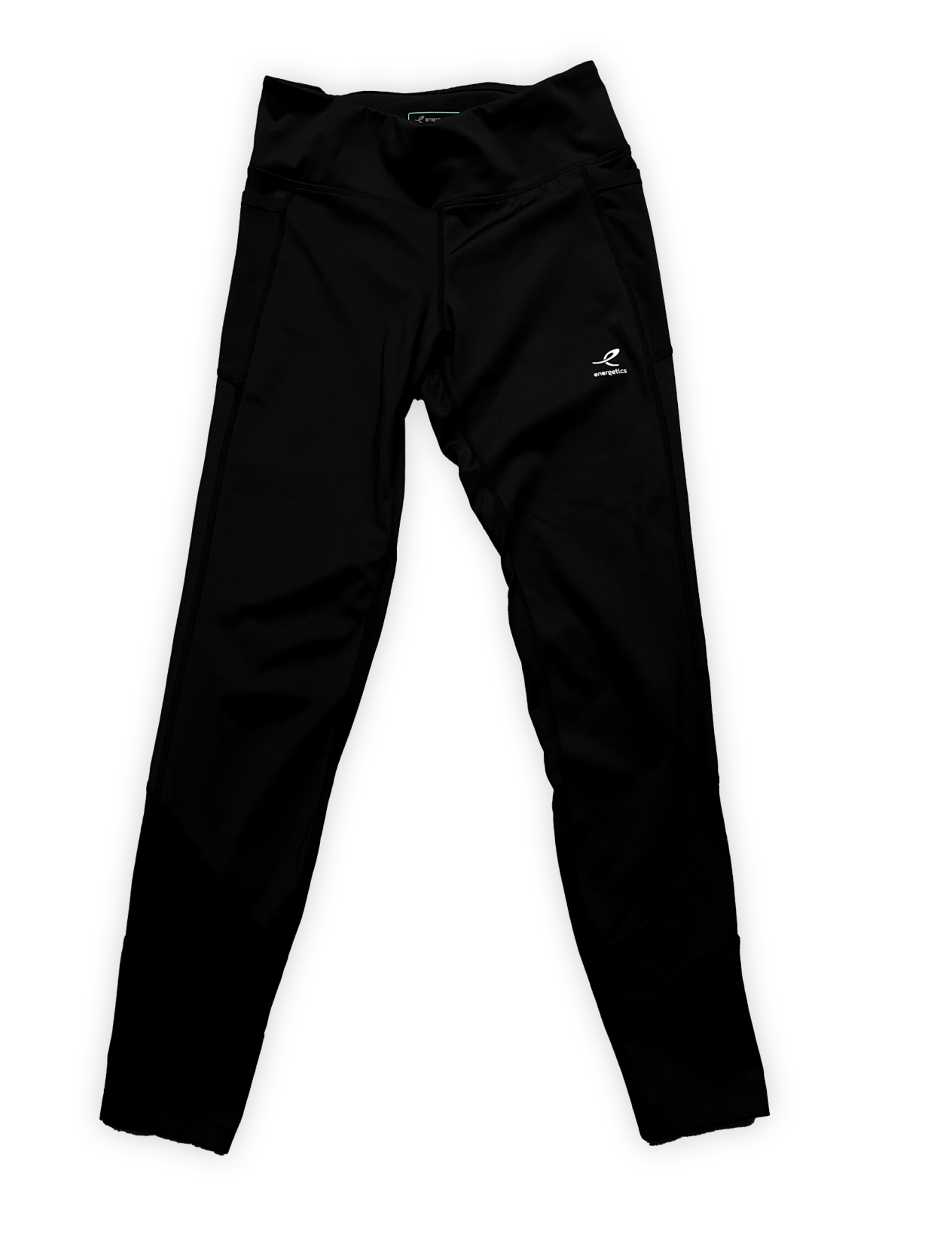
Introduction to the Paleo-Pants Disaster
The Paleo-Pants Disaster represents a unique convergence of fashion, social dynamics, and cultural expectations. In a world increasingly influenced by trends that prioritize sustainability and health, the concept of ‘paleo-pants’ emerged as a bold statement reflecting a lifestyle that sought to mimic the dietary habits of our paleolithic ancestors. These pants were not merely a piece of clothing but rather a symbol of a broader movement aiming to simplify modern living by advocating a return to the basics, both in diet and in attire.
During the height of the paleo trend, societal pressures mounted as individuals strived to conform to the ideals promoted by influencers and enthusiasts alike. The paleo-pants, characterized by their organic fabrics and earth-toned colors, quickly gained popularity. However, as is often the case with emerging trends, differing interpretations of what these pants represented ignited considerable controversy. Advocates believed the pants should be functional and allow individuals to embrace a hunter-gatherer lifestyle, while critics argued that the marketing of such garments reflected a superficial understanding of the paleo ethos.
The chaos ensued when the lines between authenticity and commercialism blurred, leading to an overwhelming number of brands jumping on the bandwagon. Consequently, several key characters emerged in the narrative of the Paleo-Pants Disaster. These figures included fervent enthusiasts advocating for a purist approach, savvy entrepreneurs capitalizing on the trend for profit, and critics disparaging the superficiality of what they viewed as a misguided movement. Each character brought their motivations and ideologies into the fray, enriching the narrative with their diverse backgrounds and perspectives. This complex interplay among the characters set the stage for the unfolding disaster that would challenge the very fundamentals of the paleo-pants phenomenon.
The Innovator: Mark ‘Paleo’ Robinson
Mark Robinson, an influential figure in the fashion industry, is best known for his groundbreaking concept of paleo-pants. A fashion designer by trade, Mark’s journey into the realm of clothing design was significantly shaped by his dual passions for nutrition and aesthetics. His background in both fields uniquely positioned him to blend elements of dietary philosophy with practical and stylish clothing options. This innovative approach aimed to cater to individuals who prefer a lifestyle aligned with paleolithic principles, demonstrating his commitment to both form and function.
Mark’s journey began with a fascination for the paleo diet, which emphasizes whole, unprocessed foods reminiscent of those consumed by our ancestors. As a dedicated practitioner of this lifestyle, he saw a gap in the market for clothing that resonated with the same principles. Driven by a desire to create apparel that not only looks appealing but also reflects a commitment to health-oriented values, he envisioned paleo-pants as a symbol of this integration. The excitement surrounding the launch stemmed from the promise of offering consumers not just clothing, but a lifestyle statement that resonated with their nutritional choices.
The initial rollout of the paleo-pants line generated considerable buzz, with both nutrition enthusiasts and fashion critics intrigued by the concept. Mark’s innovative spirit fostered an excitement that laid the groundwork for the brand’s identity. His ability to intertwine the principles of the paleo lifestyle with cutting-edge fashion design captivated many. This enthusiasm, however, would later contribute to the complexities that the brand encountered. Nevertheless, Mark Robinson’s vision remains a pivotal element in the ongoing discourse surrounding paleo-pants and their place within modern consumer culture.
The Skeptic: Dr. Linda Harper
Dr. Linda Harper is a distinguished nutrition expert known for her rigorous scientific approach to diet and health. With a Ph.D. in Nutritional Sciences, Dr. Harper has dedicated her career to researching the impact of dietary choices on human health. Her expertise encompasses various fields including metabolic health, food sustainability, and the intersection of nutrition with lifestyle choices. When the concept of “paleo-pants” emerged, Dr. Harper was among the first to express skepticism regarding its practicality and sustainability as a fashion trend.
Dr. Harper’s initial dismissal of the paleo-pants concept stemmed from her apprehension about the feasibility of fusing dietary philosophies with clothing. To her, the idea symbolized a superficial approach to what she deemed a serious topic—the impact of diet on overall well-being. She contended that while the paleo diet emphasizes natural and unprocessed foods, applying these principles to fashion could lead to unsustainable practices that fail to benefit consumers in any meaningful way. This skepticism positioned her as a strong counter-voice in the ongoing discussions surrounding paleo-pants.
The debates between Dr. Harper and Mark, the project’s enthusiastic promoter, highlighted the contrasting perspectives on dietary trends transcending into lifestyle choices. Mark argued passionately for the potential of paleo-pants to inspire healthier living, but Dr. Harper challenged him by emphasizing the scientific foundation needed to substantiate such claims. Through a series of public discussions and forums, the conflict escalated, with each party presenting their viewpoints on sustainability, bodily health, and the consequences of marrying nutrition with fashion. This discourse not only captured public attention but also set a critical stage for the unfolding drama of the paleo-pants phenomenon.
The Enthusiast: Sarah ‘Fashionista’ Chen
Sarah Chen, widely recognized as ‘Fashionista’ on social media, emerged as a prominent figure in the paleo-pants phenomenon. This social media influencer rapidly adopted the craze, showcasing her enthusiasm through vibrant posts and engaging content across various platforms such as Instagram, TikTok, and YouTube. Her journey began when she discovered the paleo-pants—trousers marketed as a perfect blend of fashion and health, appealing to an audience eager for trendy choices in their wardrobe. Chen’s compelling style and charisma enabled her to resonate with followers, and she quickly became the face of this new fashion trend.
Through creative storytelling and lifestyle imagery, Sarah masterfully integrated the paleo-pants into her daily life, attributing them beneficial qualities associated with the paleo lifestyle. Her shoutouts, paired with hashtags like #PaleoPants and #FitFashion, led to a surge in consumer interest. Brands recognized her potential impact, resulting in lucrative partnerships that boosted sales and elevated the credibility of paleo-pants. As she donned the products in various scenarios—from casual outings to fitness activities—she cultivated an aspirational image that her followers sought to emulate.
However, the exhilarating ascent was met with a swift decline when issues regarding the efficacy and quality of the paleo-pants were revealed. Consumer backlash emerged as disappointed customers took to the same social media platforms to express their grievances. This unforeseen fallout not only affected sales but also began to tarnish Sarah’s image as a trusted influencer. The juxtaposition of her previous exuberance against the backdrop of the disaster showcases the volatile nature of trend-driven marketing, where social media can catalyze both success and ruin. Sarah’s experience serves as a potent reminder of the potency of influence in the ever-evolving world of fashion.
The Critics: Online Trolls and Fashion Forums
The emergence of the paleo-pants trend was initially met with excitement, as the novelty of the concept piqued the interest of fashion-forward individuals. However, this enthusiasm quickly metamorphosed into scorn as online critics and fashion forums analyzed and dissected the trend. This led to widespread mockery, with many individuals taking to social media platforms to express their disdain for the unusual garment.
Fashion forums became breeding grounds for discussions filled with sarcasm and disapproval. Users exchanged memes that humorously highlighted the absurdity of paleo-pants, often depicting outrageous scenarios in which these trousers would be deemed appropriate. The community’s reaction was overwhelmingly negative, fostering an environment where criticism became part of the humor surrounding the trend. Users cleverly combined images of the paleo-pants with popular culture references, turning them into objects of ridicule. This viral content contributed significantly to the disaster, as it spread rapidly across various social media channels and reached an even wider audience.
The dynamics of the community itself played a crucial role in shaping this backlash. Many users found camaraderie in their collective disdain, forming a quasi-culture around the rejection of paleo-pants. The shared laughter became a bonding experience, reinforcing the idea that these garments were, in fact, fashion faux pas. This communal critique revealed a deeper cultural commentary on not only fashion trends but also the tendency of social media to amplify dissenting voices. As memes became more creative and widespread, the broader cultural discussion regarding fashion authenticity and consumer choices emerged, leaving a lasting impact on the perception of not only paleo-pants but trendy clothing as a whole.
The Great Paleo-Pants Fail
In the highly anticipated unveiling of the paleo-pants collection, what was intended to be a fashion revolution quickly transformed into a notable disaster, marking a significant chapter in the world of apparel. The incident began during a high-profile runway show, where models adorned in the so-called “paleo-pants” were the centerpiece. However, the excitement soon morphed into embarrassment when technical glitches caused numerous wardrobe malfunctions. The fabric, designed to replicate an ancient aesthetic, proved to be ill-equipped for movement, resulting in several models experiencing uncomfortable and humiliating situations on stage.
The manufacturers, eager to capitalize on the paleo-trend, rushed the production process, leading to serious quality control issues. Several pairs of pants were reported to be improperly stitched, hastily constructed, and largely unwearable. This unfortunate oversight quickly attracted criticism from fashion enthusiasts and experts alike, who were shocked by the failure to uphold industry standards during such a crucial launch. The product’s integrity was compromised, and it became clear that the paleo-pants were far from the innovative concept they were marketed to be.
Furthermore, the public relations aspect of the launch faced its own set of challenges. After the disastrous runway show, the company’s representatives struggled to maintain a positive image. Their initial attempts at damage control, including a hastily organized press conference, only served to amplify concerns as they dodged questions and failed to provide decisive answers. The incident spiraled into a PR nightmare as social media erupted with memes and criticisms, effectively stalling the anticipated launch and leading to widespread ridicule in fashion circles.
The collective chaos surrounding the paleo-pants fail serves as a cautionary tale in the industry, highlighting the essential interplay between design innovation and execution integrity in fashion.
The Fallout: Consequences for the Key Characters
The Paleo-Pants disaster had a profound impact on the lives of the key characters involved, each facing unique challenges in the aftermath. Mark, the mastermind behind the controversial product, was thrust into the public spotlight in an unfavorable manner. Following widespread criticism, Mark faced intense backlash from consumers and industry experts alike. Not only did his professional reputation suffer, but he also experienced significant personal stress. As his company’s sales plummeted, Mark had to navigate the burden of mounting debt while attempting to restore consumer trust. He often expressed feelings of regret and questioned the ethical implications of prioritizing profit over consumer safety.
Contrastingly, Dr. Harper, a well-respected figure in the field of nutrition and health, found his skepticism regarding the Paleo-Pants validated, albeit in a painful way. The disaster highlighted the dangers of unregulated health products, leading to renewed public interest in his research. Dr. Harper’s credibility was enhanced as he became a sought-after speaker on the integrity of health claims. However, the fallout also affected him personally; he felt a moral obligation to speak out against such products, leading to increased scrutiny of his past work. While his professional standing improved, the stress associated with being thrust into public discourse on health ethics took a toll on his well-being.
On the other hand, Sarah, a prominent influencer and advocate for health products, experienced a significant decline in her status. Once celebrated for her endorsements, she became a target of backlash as consumer trust eroded. Many of her followers expressed disappointment, viewing her as complicit in the disaster. The fallout forced her to reassess her role within the health and wellness community, prompting her to engage in damage control strategies to reclaim her reputation. Sarah also took this opportunity to advocate for greater transparency in health marketing, emphasizing the need for ethical responsibility among influencers.
The Lessons Learned: Insights from the Disaster
The Paleo-Pants Disaster serves as a potent case study for aspiring entrepreneurs and established brands alike, revealing crucial lessons on marketing trends, influencer culture, and product viability. In today’s fast-paced market, understanding current marketing trends is invaluable. The initial hype surrounding Paleo-Pants illustrates how quickly consumer interests can shift, necessitating that brands remain adaptable and attuned to evolving preferences. Companies should prioritize thorough market research to ensure that their products resonate with the target audience and accurately reflect their needs and desires.
Moreover, the role of influencer culture in shaping consumer behavior cannot be underestimated. The rise of social media influencers has transformed advertising, enabling brands to promote products through relatable endorsements. However, the Paleo-Pants Disaster highlights the pitfalls of relying solely on influencer marketing without a solid foundation of product quality. It underscores the importance of choosing the right influencers who align with the brand’s ethos and are credible within their communities. Authentic engagement from such influencers can drive genuine consumer interest, whereas misguided collaborations may compromise brand reputation.
Additionally, the significance of product viability is emphasized throughout this incident. Entrepreneurs must meticulously assess whether their products fulfill a genuine need in the market, particularly in a niche like health and wellness. Engaging in continual consumer feedback is paramount. In the case of Paleo-Pants, the lack of interaction between the brand and its customers contributed to the failure. By actively soliciting and incorporating customer feedback, businesses can refine their offerings, ensuring they remain relevant and appealing.
In conclusion, the insights gleaned from the Paleo-Pants Disaster illuminate critical aspects of marketing in the modern landscape, stressing the necessity for alignment with market trends, influencer integrity, product viability, and the invaluable role of consumer feedback in the entrepreneurial journey.
Looking Ahead: What’s Next for the Characters?
As we reflect on the tumultuous journey of the characters involved in the Paleo-Pants fiasco, it becomes evident that their experiences have set the stage for significant transformations in their personal and professional lives. In the wake of the controversy, each character is faced with critical decisions that will shape their paths moving forward. For instance, the designer, previously celebrated for groundbreaking ideas, might take this opportunity to redefine their branding strategy. A potential comeback could see them pivoting towards a more sustainable approach, integrating eco-friendly materials while retaining the innovative flair that initially captivated audiences.
Moreover, the marketing strategist, who played a pivotal role in the brand’s early success, may seek to leverage this experience as a case study to educate aspiring marketing professionals. By focusing on the lessons learned, they could establish themselves as thought leaders in the niche of ethical marketing, possibly launching workshops or written resources that highlight the importance of authenticity in brand messaging.
On a collaborative front, the key players might find common ground for future projects. The shared experience of navigating the chaos could foster a unique bond that leads to innovative partnerships. For example, the entrepreneur behind the Paleo-Pants may join forces with sustainability advocates to create a fresh line of apparel that encapsulates both fashion and responsibility, thus addressing the demands of a more conscious consumer base. Such collaborations could not only revive their careers but also contribute to a broader shift in the fashion industry toward inclusivity and environmental stewardship.
In conclusion, the aftermath of the Paleo-Pants disaster presents myriad opportunities for growth and reinvention. The characters’ futures appear promising, indicating a potential renaissance in the fashion landscape. As they explore these new avenues, they will undoubtedly influence both their immediate circles and the broader industry, leaving a lasting impact on fashion and lifestyle branding.